


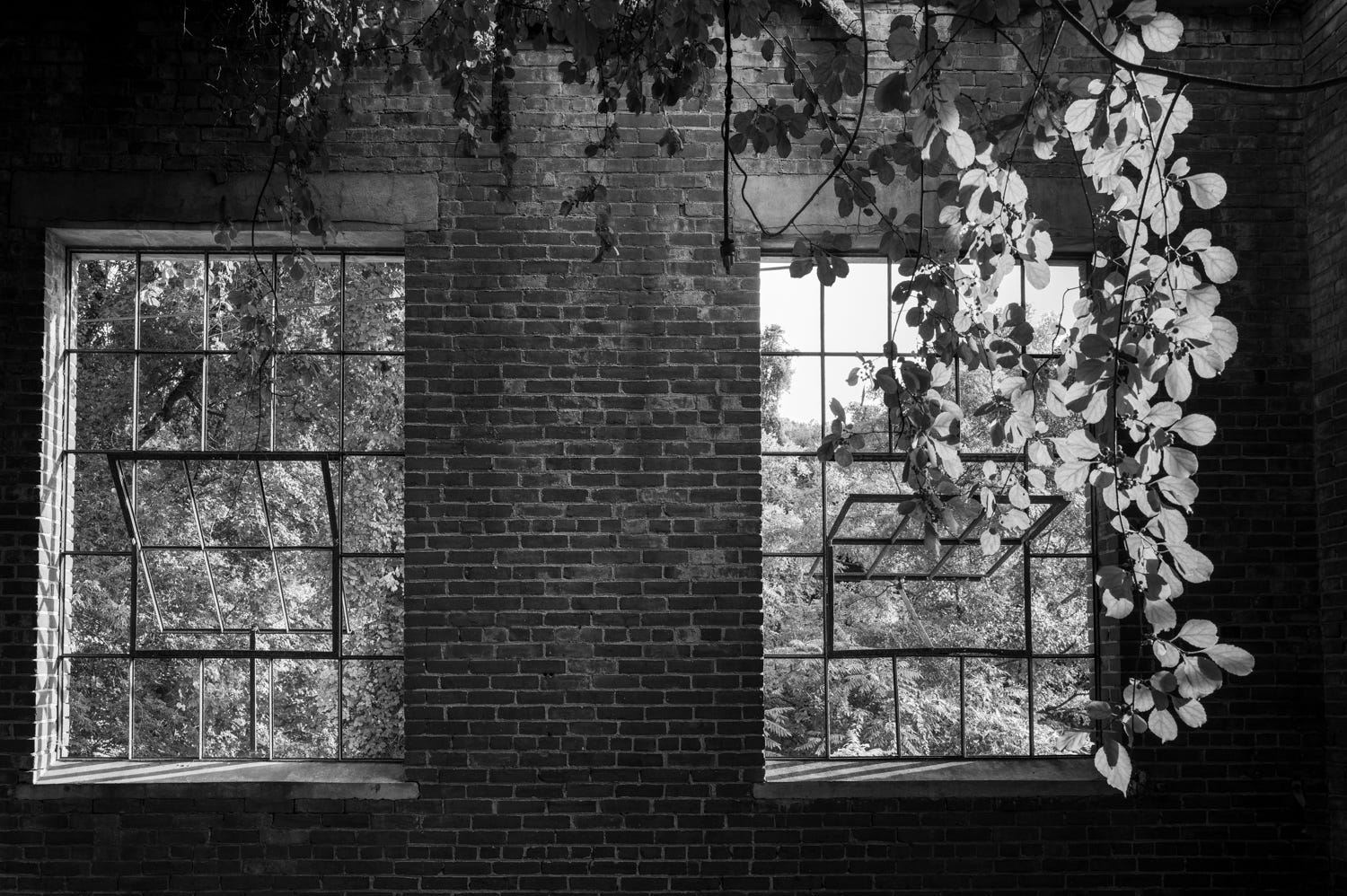
As a culture, we have a collective tendency to amplify and elevate a kind of shimmering, flawless perfection as the epitome of beauty. We revere the unblemished skin and symmetric features of a model’s face, or the clear, pitch-perfect tones of a singer’s voice. And yet within our DNA, we harbor a deep compulsion towards a more recherché kind of beauty that embraces imperfection and even celebrates its flaws.
An actor whose face does not fit the cultural standards of the handsome and chiseled leading man, and yet is so compelling to watch that we cannot take our eyes off them. A singer with a coarse, unpolished voice that can barely carry a tune and would sound more at home busking on a subway platform than in a concert hall, but who can imbue a song with such raw emotion and authenticity that nobody who hears it can remain unmoved.
So it is in photography as well.
Images of beautiful people and beautiful places are the norm - perfectly-lit models with flawless airbrushed skin, or stunning natural landscapes bathed in the glorious colors of a picture-perfect sunset. Indeed, such images can sometimes feel so prevalent that they risk making a cliché of the very beauty that they portray.
In landscape photography however, beyond the more obvious visual appeal of landscapes shaped by nature, there are equally compelling subjects to be found in the landscapes that have been shaped by man. These subjects exist not only in the symmetry, architecture, and frenetic energy of the places still in use by humans, but also in the quiet places that humans once built and used, before abandoning them as time and circumstance rendered them obsolete or irrelevant. These places aren’t always “pretty” in the conventional sense, but they can be possessed of a kind of forlorn, melancholy beauty that makes them as compelling a subject for landscape photography as the natural landscapes that are the mainstream of the genre.
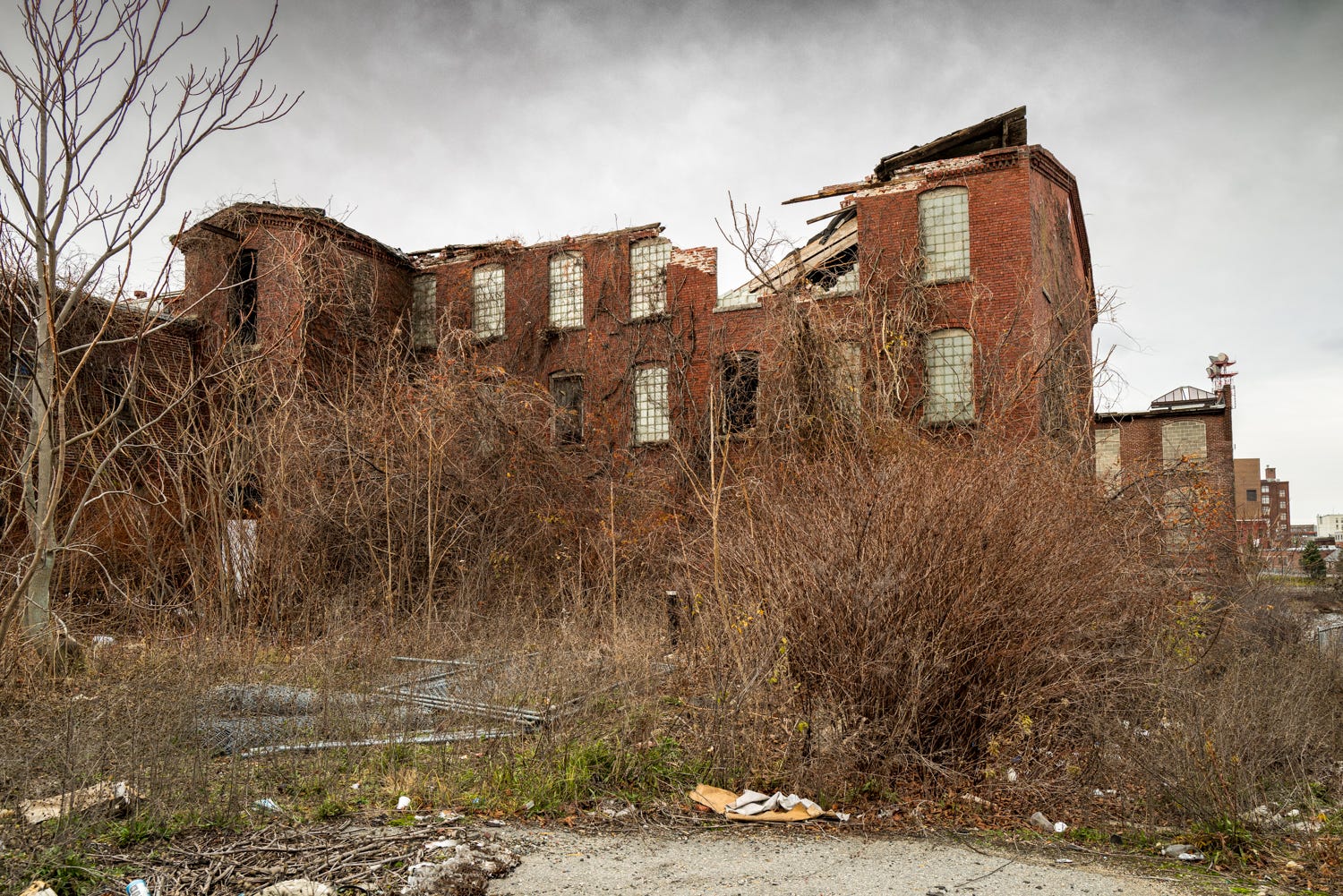
I am fortunate enough to live in New England, one of the most beautiful and scenic regions of the United States - a landscape photographer’s dream. From mountains and forests decked in fall leaves or fresh snow, to fast running rivers and rugged shorelines, I never grow tired of photographing its stunning, natural beauty. New England’s maritime climate plays its part as well, constantly repainting its spectacular landscapes in shifting patterns of shadow and light, or changing the mood with its restless weather.
There is however, another New England - one that even many of us who live here scarcely give any attention to. In the years following the Industrial Revolution that started in old England, New England would experience a transformation from relatively small agrarian economy to industrial powerhouse - built on industries like shipbuilding, lumber, paper, and textiles. One of the great drivers of this industrial transformation was the region’s vast network of inland waterways which provided not only an efficient and economic means of transporting goods, but also the power to drive the mills that manufactured them. The fast flowing rivers of New England were both literally and figuratively, the driving force of the region’s rapid industrialization.
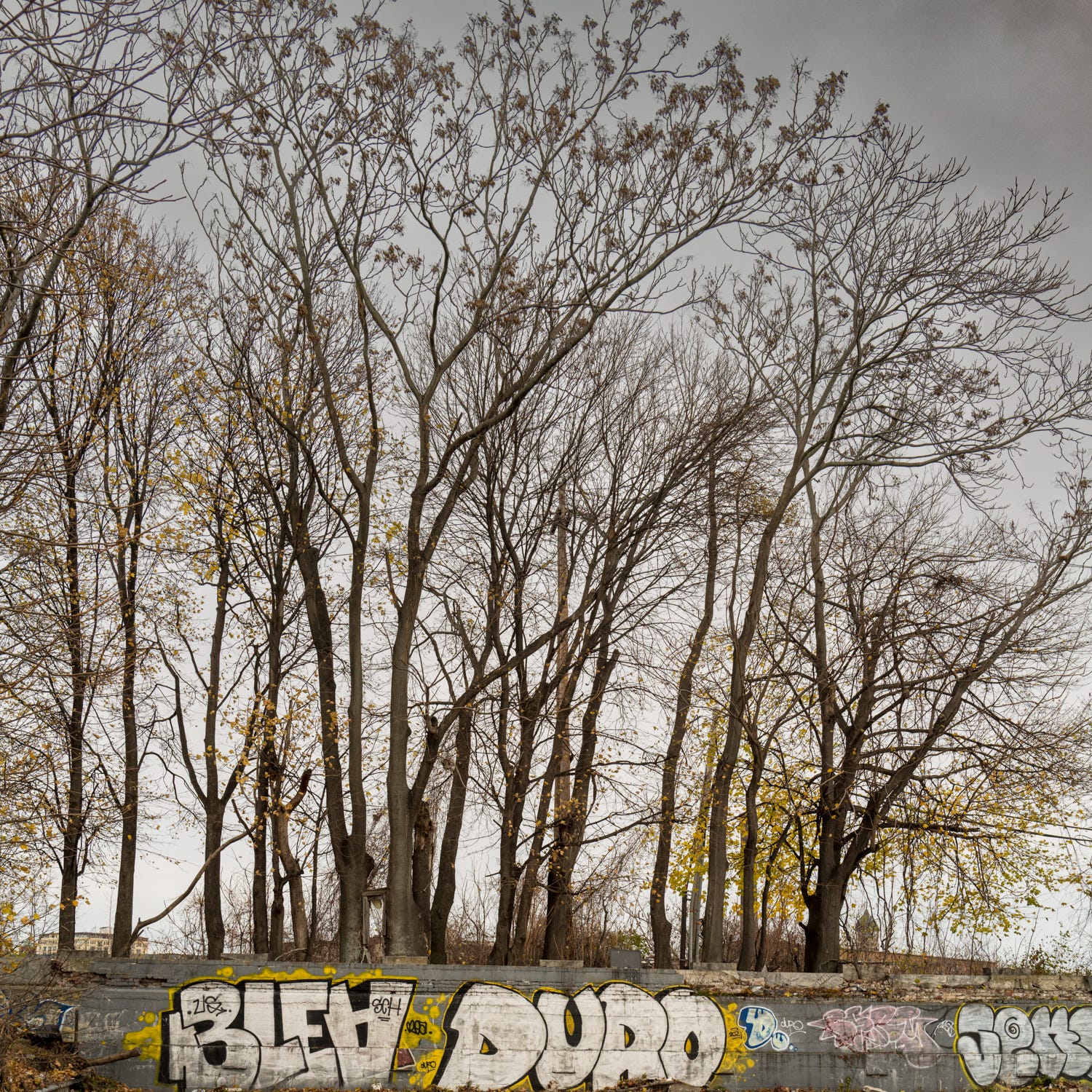
But we all know where this would ultimately lead.
As the world changed and technology advanced, a lot of these industries were eventually either consolidated, transplanted to other regions and countries where labor and materials were cheaper, or they became largely obsolete. What would be left behind in the wake of these changes, would be a pattern of abandonment, neglect, and decay that would decimate the economic lives of the once proud mill towns clustered around New England’s waterways.
Since 2022, I have been working on a project I call Another New England in which I aim to capture with my camera, the haunting beauty of these abandoned, post-industrial spaces in all six of New England’s states.
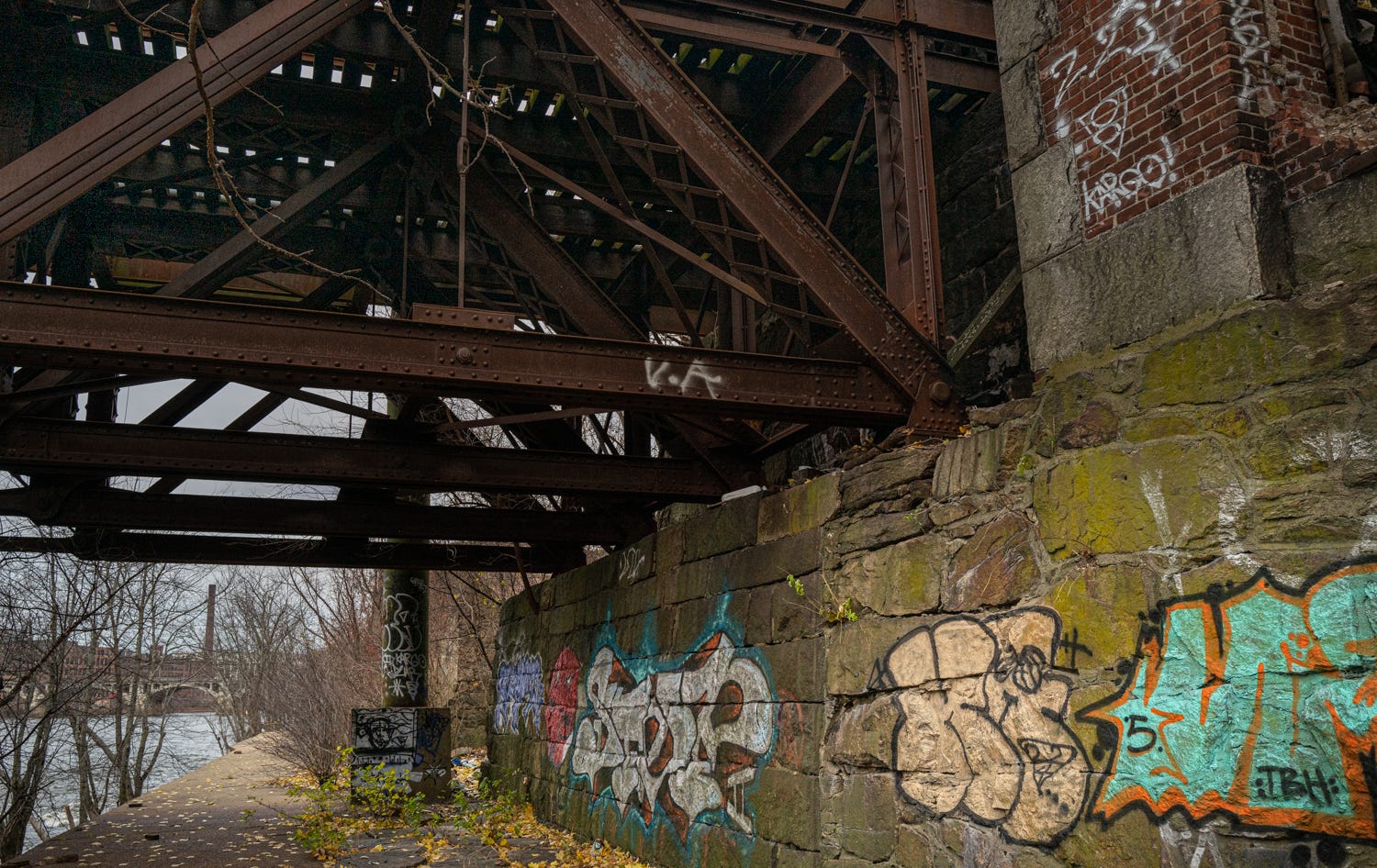
It might surprise you to learn that there is any beauty at all to be found in the kind of neglected places that many would dismiss as wastelands, but it’s there if you have eyes to see it. The passing of time and the constant action of the elements can create wonderful colors and patterns on the man-made structures left behind. The soft warmth of crumbling, red brick walls aged by decades of weather. The spectrum of iron oxide reds, oranges, and purples that spreads through a steel girder as it is overtaken by rust.
One of the greatest sources of beauty in these abandoned places, is the way in which nature slowly and patiently reclaims the space. Creeping vines take hold on weathered, red brick walls. Mosses and lichens overrun once pristine stone and concrete surfaces, softening their aspect and making them look more like something you would encounter on a rocky riverbank, than in the foundations of an industrial building. Grasses and flowers seemingly against all odds, force their way up through asphalt and between paving stones, to defiantly replant nature’s flag in a space formerly occupied by man.
For sure, there is often a dark side to the beauty of these abandoned places.
There can be signs of more recent human activity - evidence of a repurposing of the space for more recreational or even creative pastimes. A huge, blank canvas for the graffiti artist. A hidden, inaccessible place largely out of public sight, in which to hang out, to sleep, or to ride the kind of pharmaceutical train that would draw far too much attention in more populated spaces. These abandoned places sometimes have a darker story that is told in graffiti, trash, and discarded needles - not pretty, but a story nonetheless.
Photography is above all else, a medium for telling stories and not all stories are pretty. Of all people, a photographer should understand that shadow always accompanies light.
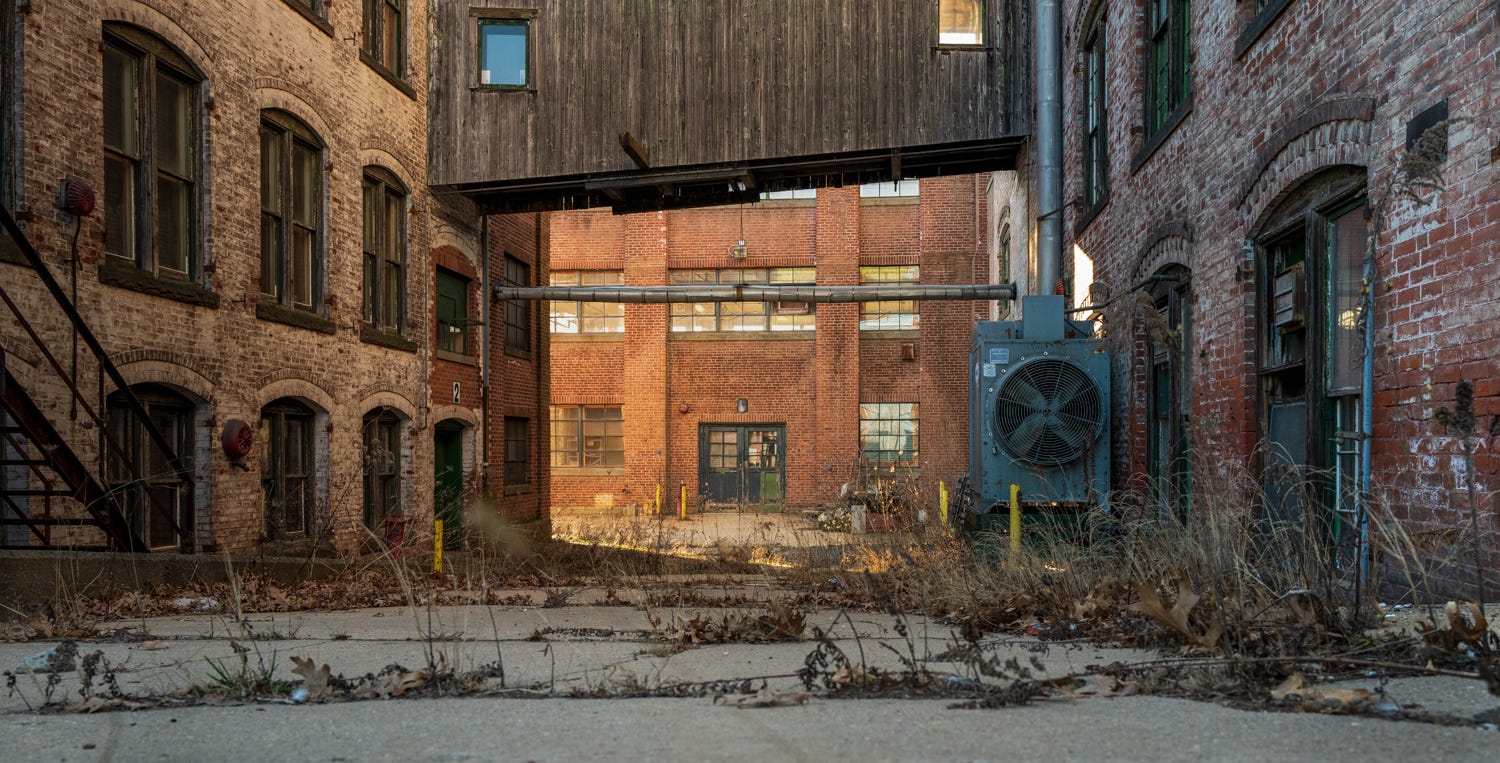
The bigger story though, is of a great absence - the emptiness left behind by the many lives of those who once settled New England’s river valleys, built these industrial towns, labored in their mills and factories, and raised families there. You can literally feel the history in these places, as if it is imprinted in the brickwork and steel of their crumbling structures. It speaks of the tenacity and optimism of generations for whom these mill towns were the hope for a better life - of their sadness and disappointment at the eventual realization that the world had not only moved on, but in doing so, had also swept away the foundations of the dream on which they had pinned their fortunes.
These abandoned places carry an emotional weight to them that you can feel as you walk around them. Beneath their quiet, meditative stillness, they possess a haunting beauty that compels me to photograph them, and that I strive to convey with my camera. Photography for me, is above all else, a process of learning how to see, and the subtle beauty of these abandoned industrial spaces certainly exercises this urge.
We are daily surrounded by great beauty, but it is often easy to miss, especially when it is hidden in plain sight in places where we might not expect it to be. But to paraphrase one of my favorite writers, Robert Pirsig: “The Buddha, the Godhead, resides quite as comfortably in the crumbling brickwork of an old mill or the rusty iron girders of an abandoned bridge, as he does at the top of a mountain, or in the petals of a flower.”
© Gordon Webster
Want to see more of this other side of New England? Consider subscribing, purchasing my work, or even just buying me a coffee. It all helps support my work.
